

Nutrition is the foundation of caregiver support, directly determining whether you have the physical energy, mental clarity, and emotional resilience to show up for someone with a chronic illness day after day. When you are caring for someone with Morgellons Disease, Lyme disease, or another complex condition, your own body is under constant siege. Skipped meals, disrupted sleep, and stress-driven eating patterns quietly erode your ability to function. The role of nutrition in caregiver support is not a wellness luxury. It is a clinical necessity, and the research from 2026 makes that clearer than ever.
What are the unique nutritional needs of caregivers?
Caregiving is physically and emotionally exhausting in ways that most people outside this world simply do not understand. You are making dozens of decisions every hour, managing medications, monitoring symptoms, and absorbing the emotional weight of watching someone you love suffer. That kind of sustained stress does something specific to your body: it disrupts appetite, spikes cortisol, and throws your blood sugar into chaos.
Irregular eating and meal skipping disrupt blood sugar and sleep-regulating hormones, worsening decision-making and energy. This is the exhaustion cycle that so many caregivers fall into without realizing it. You feel too tired to cook, so you skip a meal. Skipping the meal makes you more tired. By midnight, you are running on fumes and cortisol, and the person depending on you pays the price.
The specific nutritional risks caregivers face include:
- Protein deficiency from skipping meals or relying on convenience carbohydrates
- Micronutrient gaps in magnesium, B vitamins, and vitamin D linked to fatigue and mood disruption
- Chronic dehydration because caregivers often forget to drink water during demanding care routines
- Decision fatigue that makes healthy food choices feel impossible by evening
Pro Tip: Set a phone alarm for three eating times per day. Treat your meals with the same non-negotiable urgency you give medication schedules for your care recipient.
The barriers are real. Lack of time, no energy to cook, and the guilt of prioritizing yourself over the person you care for all compound the problem. Recognizing these barriers is the first step toward dismantling them.
How does nutrition support caregiver energy, focus, and well-being?
The physiological connection between what you eat and how well you function as a caregiver is direct and measurable. Protein stabilizes blood sugar between meals, preventing the energy crashes that make afternoon caregiving feel impossible. Complex carbohydrates consumed in the evening support serotonin production, which improves both mood and sleep quality. These are not abstract health claims. They are the mechanics of how your body fuels sustained effort.

Nutrition and sleep patterns in caregivers are intertwined; improving one benefits the other, creating a positive cycle that breaks exhaustion. That means a single dietary change, like adding a protein-rich snack before bed, can improve your sleep, which improves your energy, which makes it easier to eat well the next day. The cycle works in both directions.
Key nutrition benefits for caregivers include:
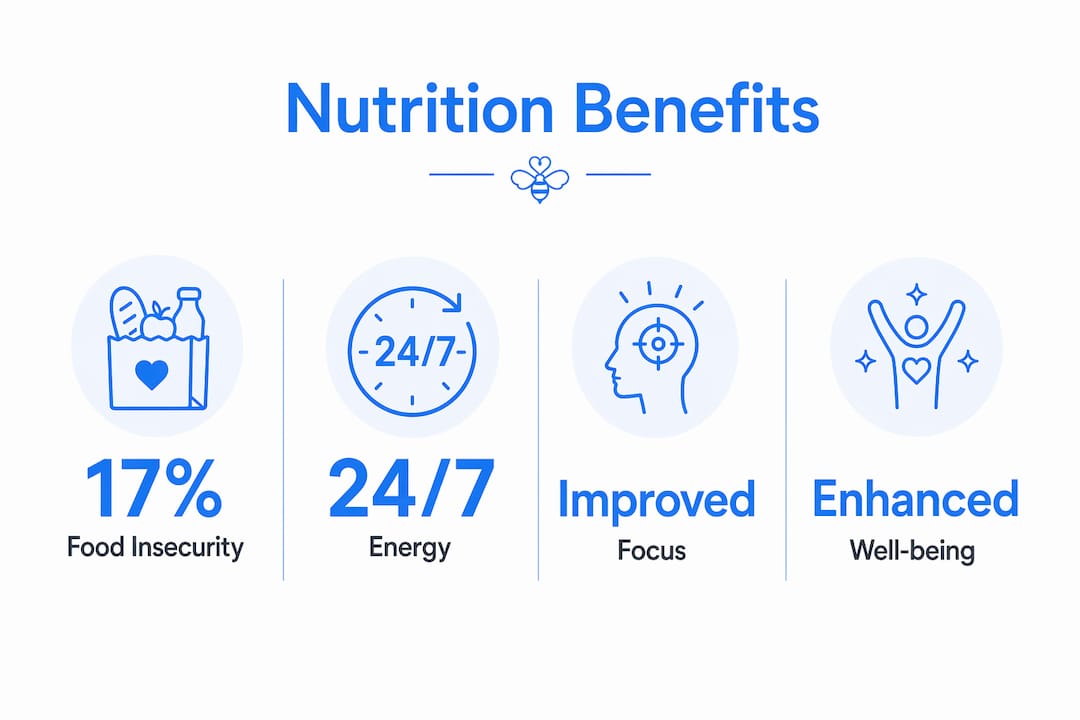
- Sustained energy: Protein and fiber slow glucose absorption, preventing the mid-afternoon crash
- Cognitive function: Omega-3 fatty acids from foods like salmon, walnuts, and flaxseed support memory and focus
- Emotional resilience: B vitamins from whole grains and leafy greens support neurotransmitter production
- Immune defense: Zinc, vitamin C, and antioxidants reduce susceptibility to illness during high-stress periods
A produce prescription program combined with dietitian coaching showed a 17% reduction in food insecurity and measurable improvements in fatigue among adults with chronic conditions. That result matters because it proves that structured nutritional support, not just food access, changes how people feel and function. Access to food alone is not enough. You need the knowledge to use it well.
Hydration deserves its own mention. Even mild dehydration impairs concentration and increases feelings of anxiety. Caregivers who drink water consistently throughout the day report better focus and lower perceived stress. Carry a water bottle the same way you carry your phone.
What practical nutrition strategies can caregivers use?
The biggest mistake caregivers make is trying to overhaul their diet all at once. That approach fails because it adds another overwhelming task to an already overwhelming life. The goal is small, sustainable changes that compound over time. Nutrition plans tailored to caregiver capabilities improve adherence and engagement, which means the best plan is the one you can actually follow given your kitchen, your time, and your energy.
Here is a practical framework you can start this week:
- Build a grab-and-go snack station. Hard-boiled eggs, mixed nuts, string cheese, and Greek yogurt require zero cooking and deliver protein within seconds. Keep them at eye level in the refrigerator.
- Batch cook one protein per week. A slow cooker full of chicken thighs or a sheet pan of roasted chickpeas takes 20 minutes of active effort and feeds you for five days.
- Use the balanced plate model. Half the plate is vegetables, one quarter is protein, one quarter is a complex carbohydrate like brown rice or sweet potato. Pennsylvania’s Department of Aging recommends this approach for older adults and their caregivers alike.
- Make one healthy swap per week. Replace white bread with whole grain. Replace soda with sparkling water. Replace chips with a handful of almonds. One swap per week adds up to 52 changes per year without feeling like deprivation.
- Explore community food programs. Meals on Wheels, food banks with fresh produce sections, and local church meal programs exist specifically to reduce the burden on caregivers. Using them is not a failure. It is smart resource management.
Pro Tip: Cook double portions every time you make a meal. Freeze half immediately. You will thank yourself on the nights when caregiving runs long and cooking feels impossible.
The food-as-medicine research is clear: interventions that match a caregiver’s actual logistics, cooking ability, and dietary constraints outperform generic advice every time. Stop trying to follow a perfect diet. Start building a realistic one.
How can caregivers prevent malnutrition in care recipients?
The nutritional needs of caregivers and care recipients are deeply connected. When the person you care for stops eating well, your stress spikes, your sleep suffers, and your own nutrition collapses. Managing malnutrition in your care recipient is, in a very real sense, part of managing your own health.
Malnutrition in older adults is driven by factors beyond inadequate food intake, including appetite loss, medication side effects, chewing problems, and social isolation. This means that simply putting food in front of someone is rarely enough. You need to understand why they are not eating and address that specific barrier.
| Challenge | Caregiver strategy |
|---|---|
| Poor appetite | Offer small, frequent meals every 2 to 3 hours instead of three large meals |
| Swallowing difficulties | Prepare soft, moist textures like pureed soups, scrambled eggs, and yogurt |
| Medication side effects | Consult a pharmacist about timing meals around medications that suppress appetite |
| Social isolation at meals | Eat together when possible; shared meals increase food intake in older adults |
| Low calorie intake | Add calorie-dense ingredients like olive oil, nut butter, or avocado to existing foods |
University of Florida IFAS Extension advises preparing soft, moist meals and fortified snacks for older adults at malnutrition risk. A food-first approach targeting approximately 500 additional calories per day through nutrient-dense, little-and-often meals is more effective than supplements alone. That is a concrete, measurable target you can work toward.
When texture modification or swallowing problems are severe, a speech-language pathologist and a registered dietitian are your most important allies. These professionals can assess swallowing safety and design a meal plan that meets caloric needs without creating aspiration risk. Do not try to manage complex swallowing disorders alone.
Key takeaways
Proper nutrition is the single most controllable factor in a caregiver’s ability to sustain physical and mental health through the demands of chronic illness caregiving.
| Point | Details |
|---|---|
| Nutrition drives caregiver energy | Protein and complex carbs stabilize blood sugar and prevent the exhaustion cycle that breaks caregivers down. |
| Sleep and nutrition are linked | Improving diet quality directly improves sleep, creating a positive cycle that rebuilds resilience over time. |
| Tailored plans outperform generic advice | Nutrition strategies matched to your real logistics and constraints are far more likely to stick long-term. |
| Care recipient nutrition affects you | Managing malnutrition in your loved one reduces your stress load and protects your own health. |
| Food access needs education | A 17% reduction in food insecurity required both produce access and dietitian coaching, not food alone. |
What I’ve learned about nutrition after years in the caregiving trenches
I want to be honest with you about something most wellness articles will never say. The hardest part of eating well as a caregiver is not finding the right recipe or the right supplement. It is the guilt. The feeling that spending 20 minutes cooking for yourself is 20 minutes you are stealing from the person who needs you. I lived in that guilt for a long time, and it nearly broke me.
Here is what I know now: you cannot pour from an empty cup, and that phrase is not a motivational poster. It is physiology. When your blood sugar crashes at 3 p.m. because you skipped lunch again, you are not a better caregiver. You are a slower, more irritable, less present version of yourself. The person you love deserves the version of you that ate breakfast.
The small changes are the ones that actually last. I did not transform my diet overnight. I started by keeping a bag of almonds on the counter next to the medication organizer. Then I started making double portions of dinner. Then I found a local meal program that delivered twice a week. Each change was tiny. Together, they changed everything.
I also want to say this: asking for help with food is not weakness. Using a meal delivery service, accepting a neighbor’s casserole, or joining a caregiver support group that shares cooking duties is one of the most strategic things you can do. The caregivers who burn out fastest are the ones who refuse to let anyone else carry any part of the load.
— Megan
Support your body while you support someone else
At Megansmiraclestudio, we know what it means to care for someone with a complex chronic illness while your own body is running on empty. We built our product line for people in exactly this situation. Our Snow Mushroom Polysaccharide Capsules are designed to support immune function and cellular energy, which makes them a natural complement to the nutritional strategies in this article. For caregivers managing chronic stress and fatigue, our Honeybee Apitherapy Supplement offers additional vitality support grounded in natural apitherapy. You deserve care too. Explore our wellness range at Megansmiraclestudio and find the support that fits your life.
FAQ
What is the role of nutrition in caregiver support?
Nutrition sustains the physical energy, cognitive function, and emotional resilience caregivers need to provide consistent, quality care. Without adequate protein, hydration, and micronutrients, caregivers fall into an exhaustion cycle that impairs both their health and their caregiving ability.
How does poor nutrition affect caregivers specifically?
Skipping meals disrupts blood sugar and sleep-regulating hormones, worsening decision-making, mood, and energy. Caregivers who eat irregularly are more vulnerable to illness, burnout, and cognitive fatigue than those who maintain consistent meal patterns.
What are the easiest nutrition changes for busy caregivers?
Building a grab-and-go protein snack station with hard-boiled eggs, nuts, and Greek yogurt requires minimal time and delivers immediate energy benefits. Batch cooking one protein per week and using community meal programs are two other low-effort strategies with high impact.
How can caregivers help prevent malnutrition in care recipients?
Offering small, frequent meals every two to three hours, adapting food textures for swallowing difficulties, and adding calorie-dense ingredients like olive oil or nut butter to existing foods are proven first-line strategies. Working with a registered dietitian to set a clear calorie target, around 500 additional calories per day, improves outcomes significantly.
Does nutrition education matter more than food access alone?
Yes. Research shows that produce subsidies without coaching do not significantly improve health outcomes. Combining food access with dietitian-led education produces measurable improvements in fatigue, diet quality, and overall well-being.